


Please wait, we are loading the data.

Axia Red Line is Ullman Sails’ downwind racing range for Code sails and symmetrical or asymmetrical spinnakers. The range covers different mid-girths and reaching or running applications. Cloth, luff or furling arrangement and usable wind range must be specified for the individual boat and sail.
The Axia Series - Red Line

Axia JT, Code 50, Code 60, Code 75 and the classic spinnakers are intended for different reaching or running applications.
The sail is sized and shaped for the boat, rig, rating constraints and required apparent-wind range.
Furling, luff structure, sheets and retrieval arrangements must be compatible with the selected sail and deck setup.
The usable wind range is not universal; Ullman states that limits depend on the vessel, cloth selection and sail model.
The Axia Series - Red Line
Axia Red Line covers Code sails, symmetrical spinnakers and asymmetrical spinnakers. The correct sail is selected by mid-girth, apparent-wind application, rig and rating requirements. A luff cable or furling arrangement is not universal across the range and must be confirmed for the individual build.
JT, Code 50, Code 60 and Code 75 cover distinct applications.
Symmetrical and asymmetrical designs are custom-sized.
Mid-girth and geometry affect use and rating classification.
Code laminate or spinnaker cloth is selected by application.
The Axia Series - Red Line
Red Line construction is not one universal membrane or luff system. Materials, reinforcement and handling equipment vary between Code sails and classic spinnakers and must be recorded in the final specification.
Code laminates and lightweight spinnaker fabrics behave differently. Cloth and weight are selected for the sail model, boat and expected conditions.
Where a Code sail is furled, the luff structure, cable and furler must be specified as a compatible system. Classic spinnakers use different handling arrangements.
Mid-girth, clew height and sheeting position distinguish JT, Code 50, Code 60 and Code 75 applications.
Symmetrical sails require a spinnaker-pole arrangement; asymmetrical sails are offered across a broad mid-girth range for reaching to running.
Light downwind cloth is vulnerable to overload, chafe and handling damage. Follow the sailmaker’s wind limits and arrange inspection after damage or heavy use.
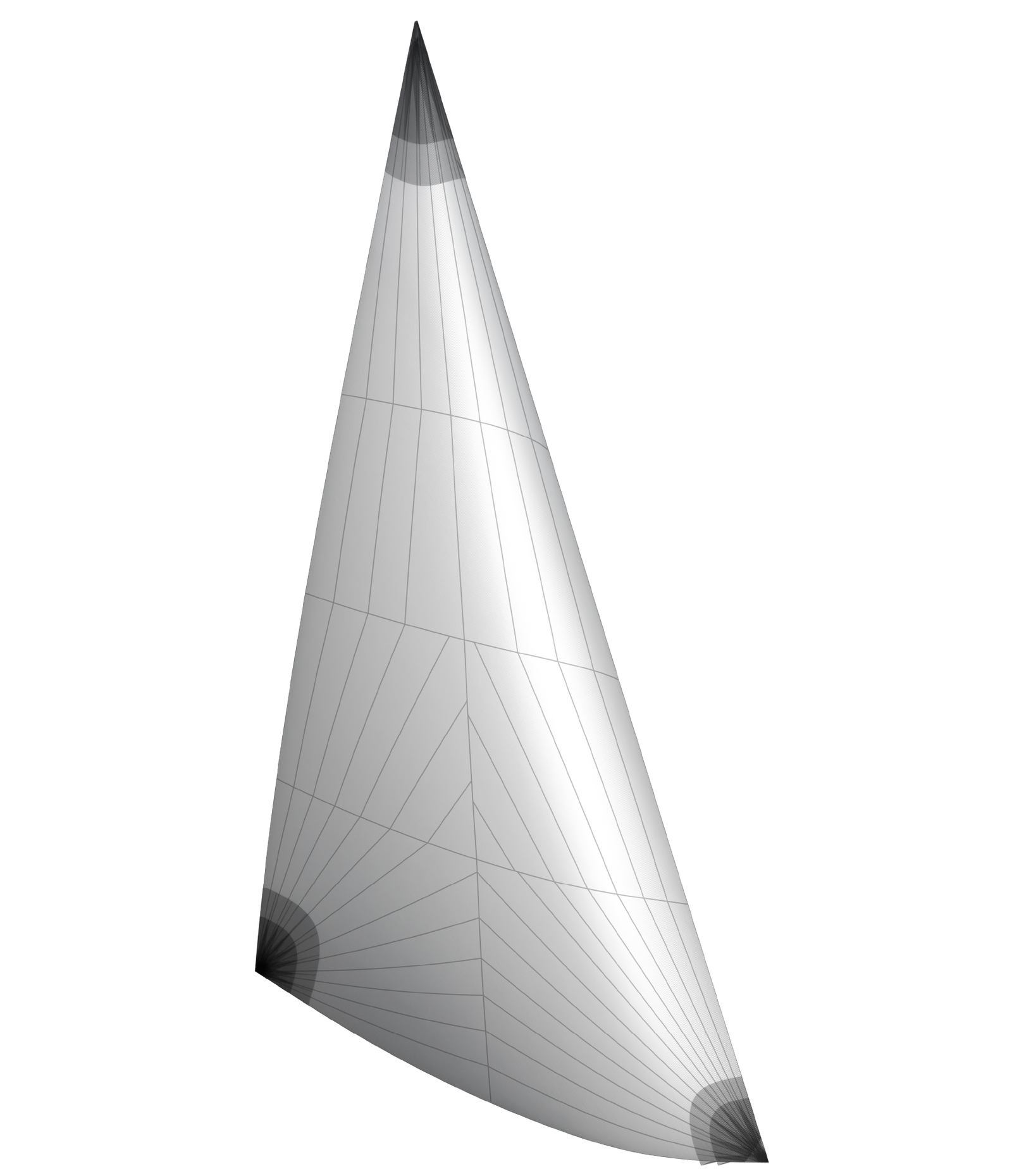
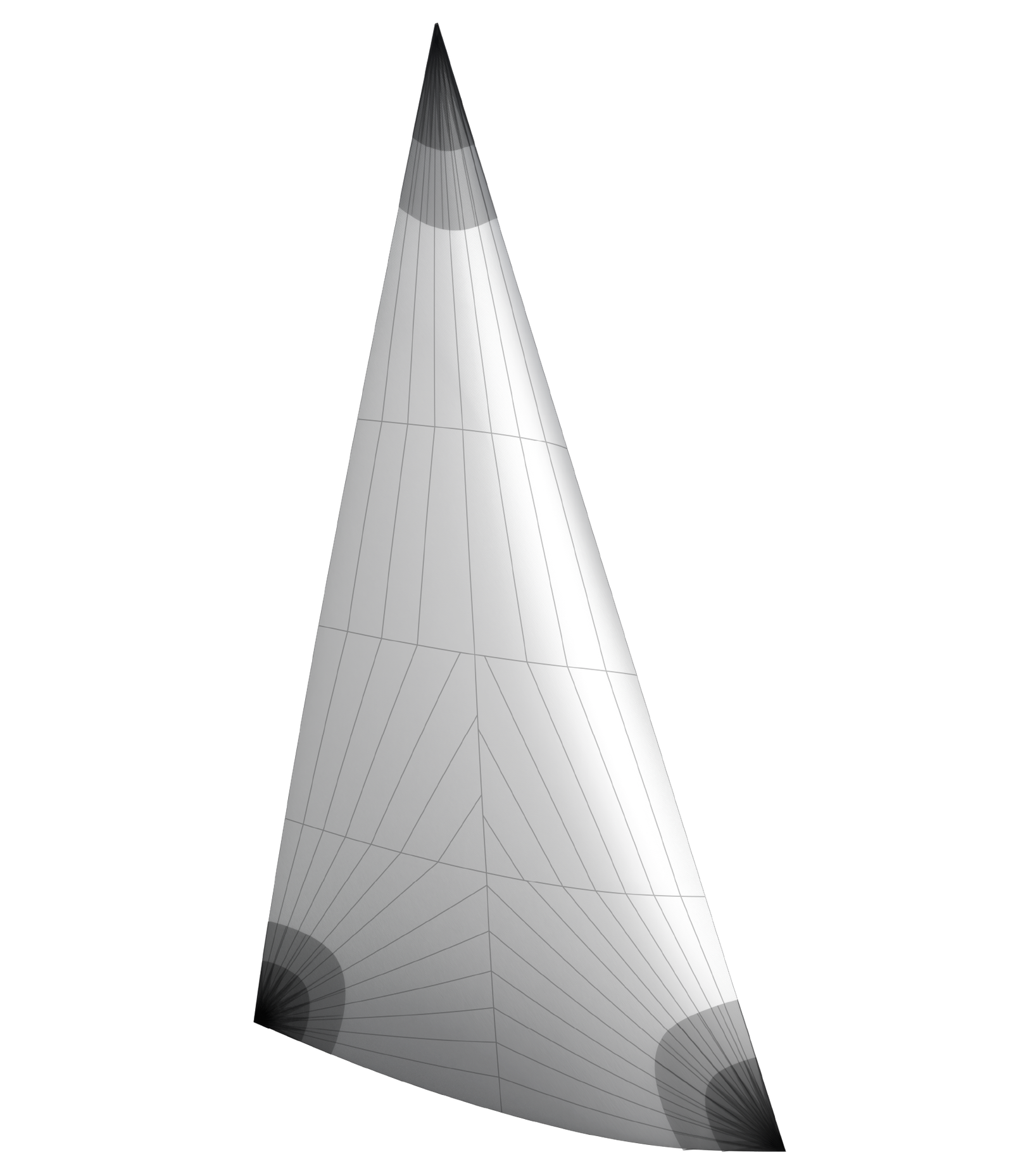
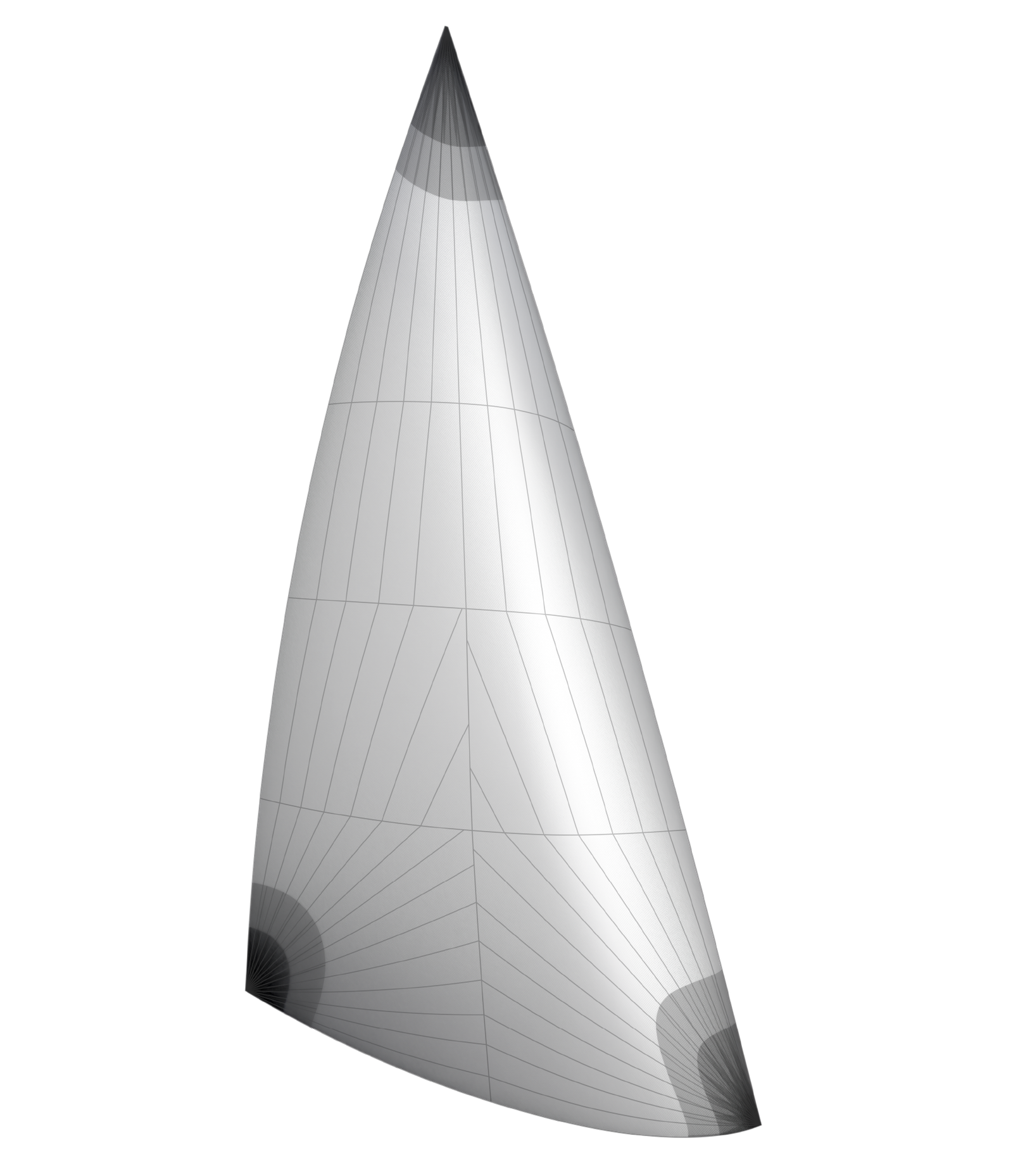
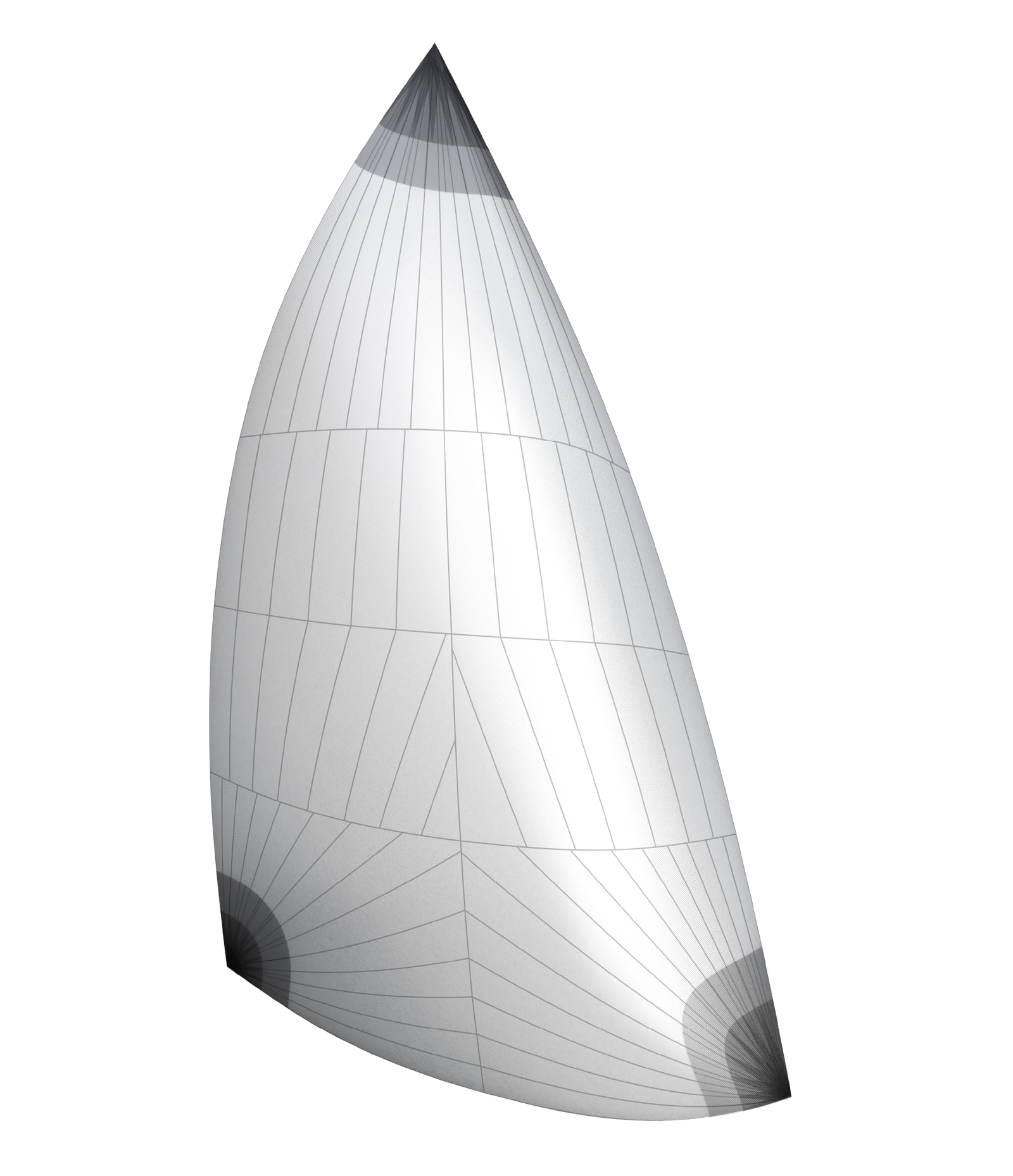
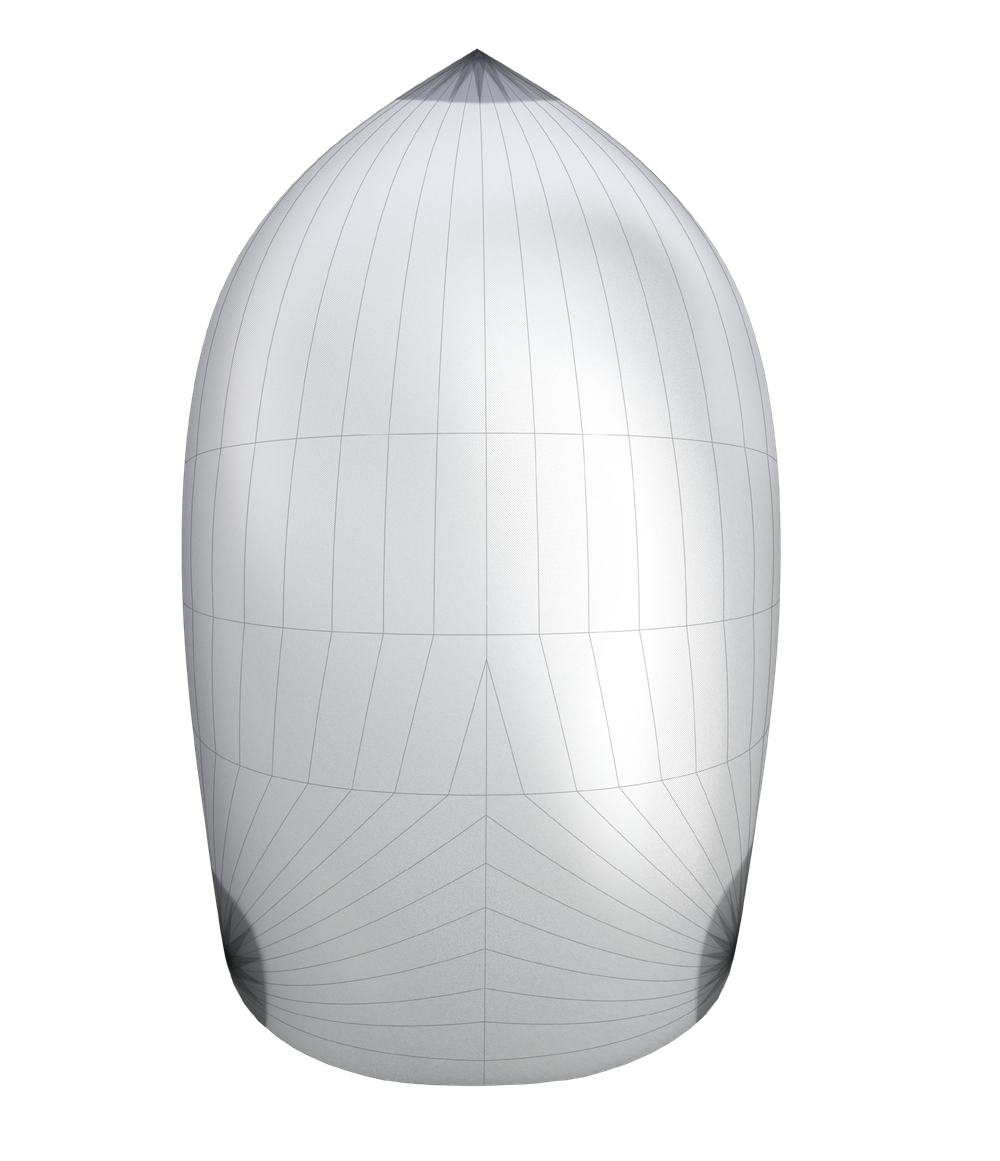
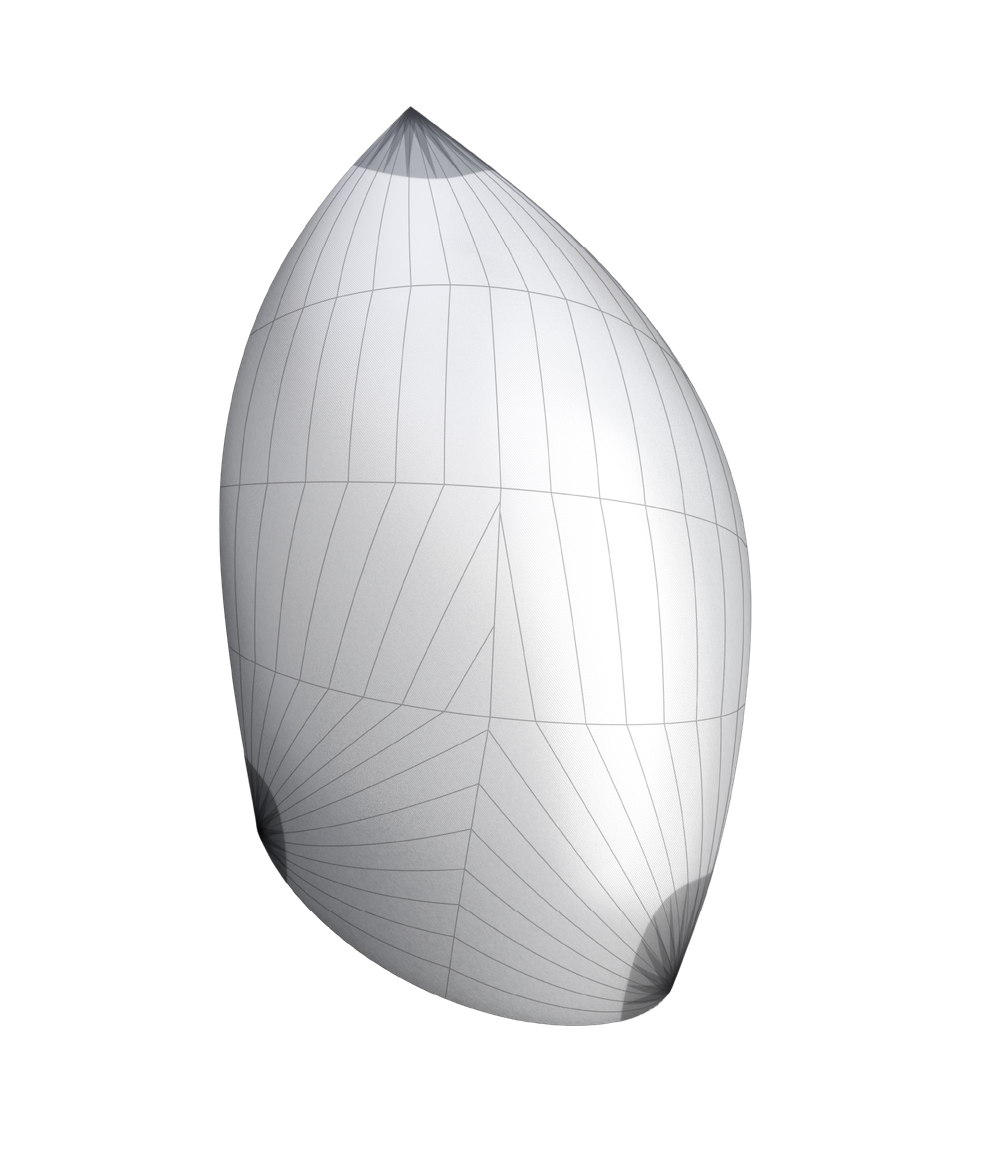
Red Line models do not share one universal construction. Confirm each item in the final written quotation.

Axia model and intended apparent-wind range
Mid-girth, sail area and rating classification
Code laminate or spinnaker-cloth specification
Symmetrical or asymmetrical geometry
Luff, cable and furling arrangement where applicable
Sheets, attachments and retrieval arrangement
Reinforcement and finishing details
Sail numbers, trim marks, colours and graphics
Boat-specific operating limits
The Axia Series - Red Line
Select by intended angle, girth, rig, rating requirements and handling system.
A high-clewed overlapping reaching headsail that Ullman lists for medium to strong winds; final range is boat-specific.
A 51–60% mid-girth screecher that may sheet inside the cap shrouds, subject to the individual rig and design.
A 60–70% mid-girth reaching to broad-reaching sail, normally sheeted outside the cap shrouds.
A Code Zero-style sail with more than 75% mid-girth so it can rate as a spinnaker under the referenced definition.
A symmetrical spinnaker for boats equipped with a spinnaker pole, custom-sized for the boat and requirements.
An 80–97% mid-girth asymmetrical spinnaker for reaching to running; wind limits depend on vessel and cloth selection.
Cable, structured-luff and furler details are sail-specific and must be confirmed as a compatible package.
Panel colours and graphics are subject to cloth availability, added weight, production method and class or rating rules.
Cloth, weight, construction, hardware, markings, included accessories and operating limits must be confirmed by the loft.
Start with the gaps in the existing inventory: close reaching, reaching, broad reaching or running. Each Axia model serves a different application.
Mid-girth and geometry affect both the sail’s intended use and how a class or rating rule may classify it.
Code laminate or spinnaker cloth and its weight are selected for the model, boat and conditions. The loft must provide boat-specific operating guidance.
Pole, tack point, sheets, furler, luff cable and retrieval method must work together with the selected sail and deck layout.
High-clewed overlapping reaching headsail listed by Ullman for medium to strong winds. Final geometry and wind range are boat-specific.
Code models with different mid-girths and reaching applications. Sheeting, luff and furling details depend on the selected model and rig.
Symmetrical spinnaker for boats equipped with a spinnaker pole, with shape and size customised for the boat and racing requirements.
Asymmetrical spinnaker in the 80–97% mid-girth range for reaching to running. Wind limits depend on the vessel and cloth selection.
