


SAIL CARE
Best practices for longer-lasting sails
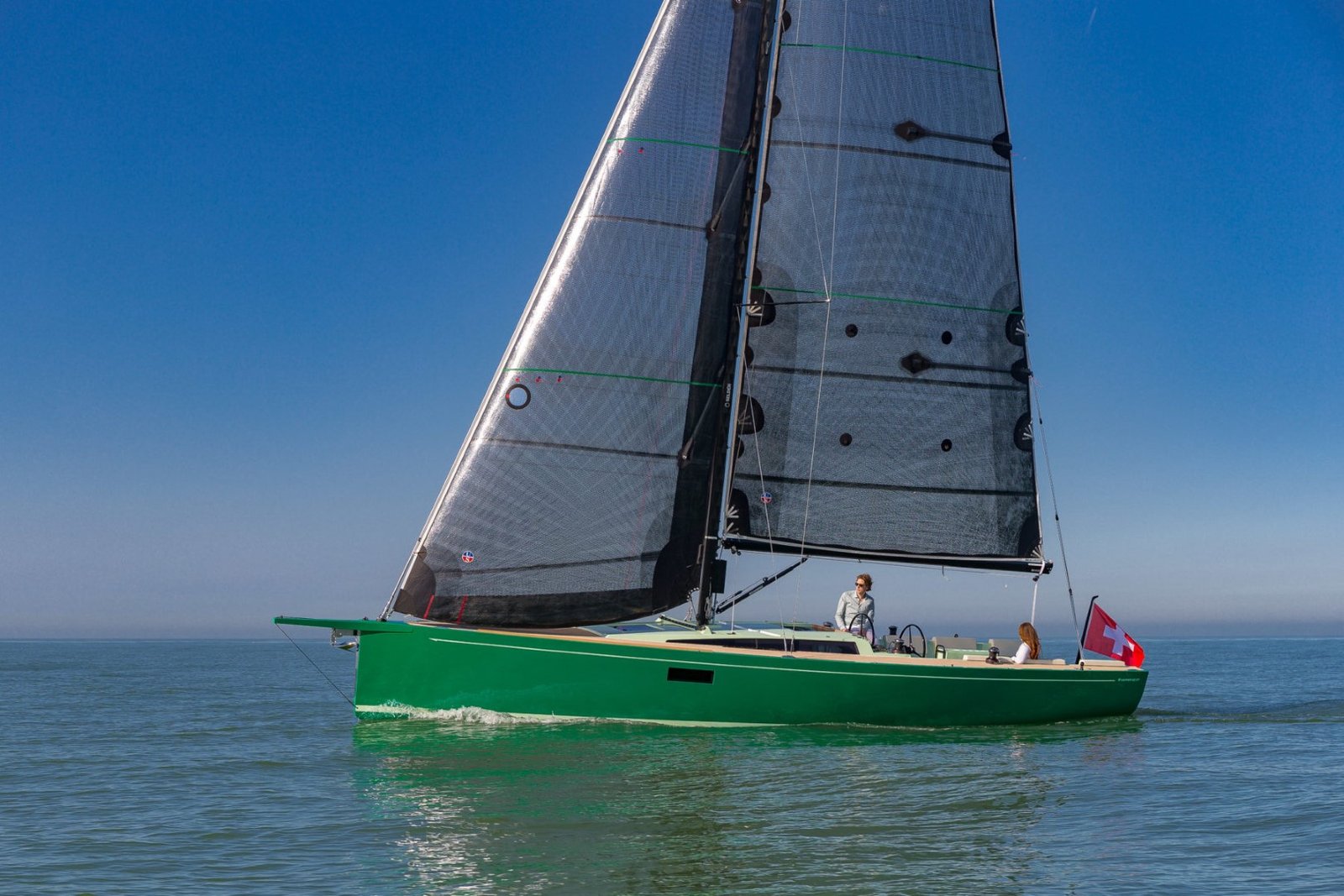
Proper sail care protects your sails from harsh elements like sun, salt water, and high humidity. Although regular use exposes sails to these conditions, adopting good practices can significantly minimize damage and extend the lifespan of your sails. Essential practices include avoiding luffing, flapping, flogging, leech flutter, and crushing sails into bags, which can shorten their lifespan.
- ProtectLimit unnecessary UV exposure.
- RinseRemove salt with fresh water.
- DryNever store sails while damp.
Ullman Sails offers a comprehensive list of best practices for maintaining the quality of your sails. While these guidelines can help reduce the need for major repairs, regular maintenance and service check-ups at your local loft should be prioritised. This approach is similar to the maintenance required for any long-term equipment.
For help with service monitoring and scheduling, contact your nearest Ullman Sails loft.
Contact your local loft
SAIL CARE
Sail Care by Material & Boat Type
Choose the guide that matches your sail construction or the way you use your boat.
MATERIAL TYPE
Sail Care for Material Type
BOAT TYPE
Sail Care for Boat Type
Complete your sail care
Protect your sails between outings
A properly fitted cover helps shield sails and canvas from UV exposure, weather and everyday wear.
Explore coversMATERIAL TYPE
Sail Care by Material
Woven Dacron and Spectra/Dyneema Sails
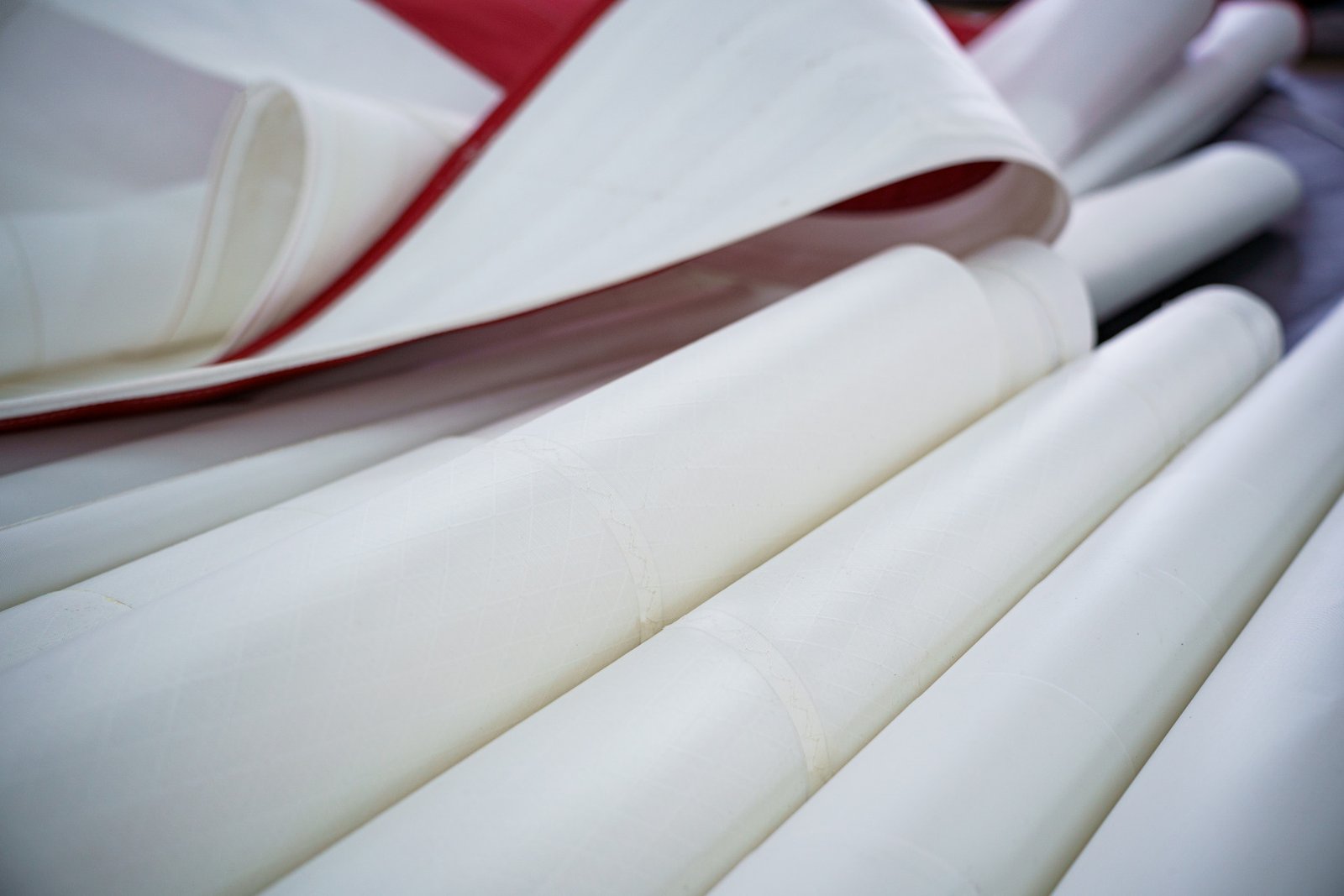
Hard-finish Dacron sails, most commonly used for dinghy sails and One Design keelboat sails, should only be rolled and stored where they will not be crushed.
Store safely rolled, rinse metal components occasionally, and avoid using harsh chemicals or chlorine.
Hard-finish Dacron sails, commonly used for dinghy and One Design keelboat sails, should always be rolled and stored to avoid crushing.
Never clean sails in a chlorinated swimming pool, as the stitching is not resistant to chlorine.
Avoid using solvents or harsh chemicals on sails without professional guidance.
Rinse aluminum headboards, stainless steel rings, and nickel-plated grommets occasionally with fresh water to maintain their integrity.
Laminate and FiberPath Sails
Laminate and FiberPath sails provide unmatched performance and durability, offering superior shape-holding characteristics. These sails require careful handling to maintain their performance.
Several essential steps should be taken to ensure a long and valuable life for your sails:
When storing, avoid flaking or folding the sails along the same line each time.
Never clean sails in a chlorinated swimming pool, as the stitching on laminate sails is particularly vulnerable to chlorine damage.
Refrain from using solvents or cleaning agents on sails without professional guidance.
Avoid flaking or folding FiberPath sails along the same line each time you store them.
By following these best practices, you can ensure your laminate and FiberPath sails remain in top condition to help you achieve your sailing goals.
If you have any questions, contact your local Ullman Sails loft.

Spinnaker Cloth
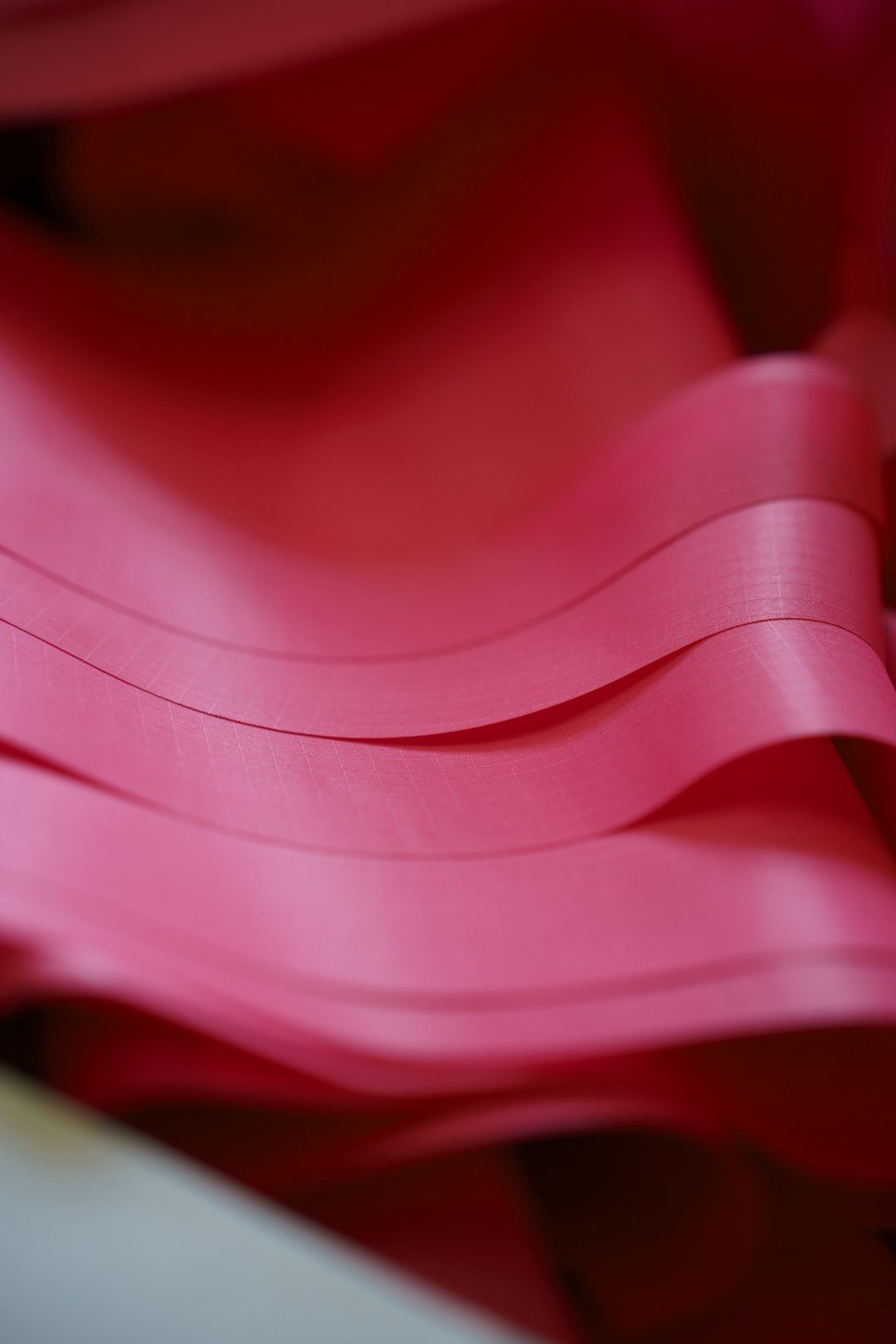
Handle with care, as spinnaker cloth is especially sensitive to UV rays and stress. Its lightweight properties are achieved using extremely thin material, making it more fragile and particularly vulnerable to UV exposure and damage from flogging.
Modern spinnaker cloth is generally color-stable, but "bleeding" can still occur if colored spinnakers are stored wet.
Avoid hoisting spinnakers at the dock to dry by flapping, as this can cause destructive "flutter and impact" damage similar to manufacturer tests.
Nylon is a robust and lightweight fiber that can stretch significantly under load, but using a spinnaker beyond its recommended wind range or during broaching with explosive refills can lead to blowouts.
Regularly inspect and cover or tape any snag points on the boat that could tear a spinnaker during hoisting or dropping.
Only use solvents or cleaning agents on sails with professional guidance.
Prevent flapping and store sails properly to avoid color bleeding and material damage.
By following these best practices, your spinnaker cloth sails can last substantially longer and perform better:
If you have any questions, contact your local Ullman Sails loft.
PRACTICAL TIPS
Guard against UV damage and mildew
As a sailor, you understand the importance of keeping your sails in top condition. A key aspect of sail maintenance is protecting them from the damaging effects of UV radiation. Sunlight can rapidly degrade sailcloth, weakening, fading, and eventual failure.
UV rays significantly threaten sails, causing structural damage and color fading. To prevent UV damage:
1. Keep sails out of the sun when not in use.
2. Regularly inspect and repair sun covers.
3. Store sails in their bags when not used and promptly replace damaged bags.
4. Ensure furling sails are properly rolled behind the UV strip.
If UV damage occurs, repair it immediately to prevent further deterioration. Regular inspection and maintenance are crucial to extending the life of your sails.
Always dry sails before stowing, avoid sealing damp sails in bags, and improve airflow in storage. If mildew appears, clean early using sail-safe products and gentle techniques.
Mildew is another essential element to watch out for. It thrives in damp conditions, particularly in hot and humid environments. To prevent mildew:
1. Rinse sails exposed to salt water with fresh water and allow them to dry thoroughly.
2. Air out sails frequently, especially after rain.
3. Avoid packing away damp or saltwater-soaked sails; store them in a dry place.
If mildew is detected, clean it with diluted bleach and rinse thoroughly. For severe cases, industrial cleaning may be necessary. Regular inspection and proper storage can prevent mildew and extend the life of your sails.
Sails deteriorate over time due to both use and abuse. Proper care can prolong their lifespan, but signs such as excessive helm, tears, weak stitching, and delamination indicate it’s time for replacement. We are happy to regularly assess your sails and help determine when a replacement is needed.
SAIL CARE
Sail Care by Boat Type
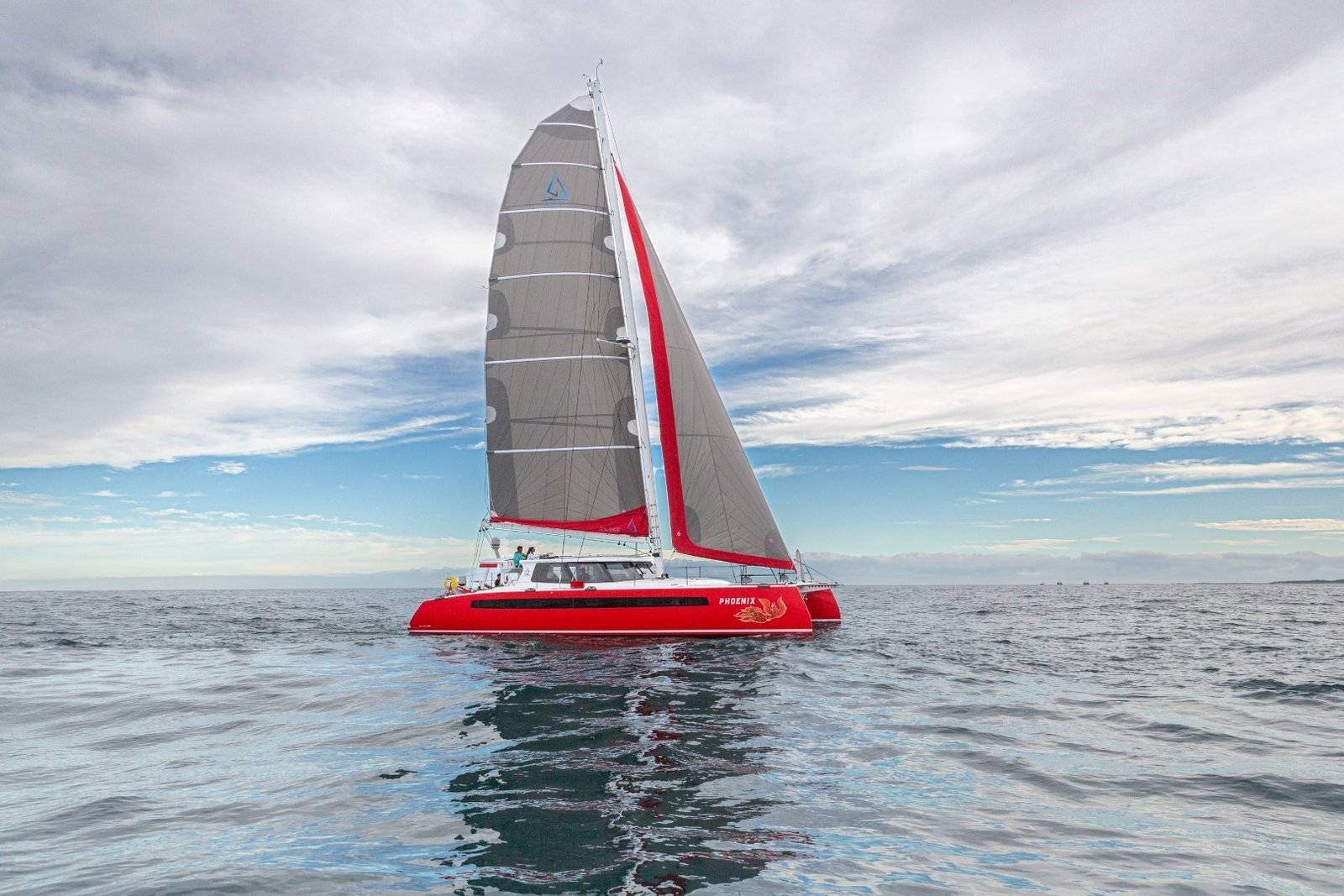
Keelboat and Multihull Cruising Sails
Caring for keelboat and multihull sails is straightforward but essential. Protect the sails from UV exposure, avoid flapping, and ensure proper tensioning. Regularly check and adjust sail settings to minimize wear and tear.
On windy days, hoist sails gradually to avoid exposing them to full wind strength.
When storing on the boom, use a quality cover to protect the mainsail from UV damage.
Avoid motor-sailing with a flapping mainsail; keep it trimmed and tack with the wind to prevent unnecessary wear.
Ensure leech lines are correctly tensioned to prevent the sail's edge from fluttering.
Reduce luff tension when the sail is rolled between uses for furling headsails.
When reefing a furling headsail, bear away and take the reef under reduced load to minimize flogging and potential damage.
Practice mainsail reefing so it can be done swiftly, reducing the chance of flogging.
For slab-reefing mainsails, secure the reefed portion properly and avoid testing the sail with unsecured reefing, which can cause damage.
If you have any questions, contact your local Ullman Sails loft.
The care requirements for your sail may vary based on the material, so be sure to follow the appropriate steps for optimal maintenance.
Dinghy and One Design Keelboat Sails
Store sails dry and rolled to prevent UV damage. Rinse with fresh water occasionally and avoid using harsh chemicals or chlorine for cleaning.
Mainsails and jibs should be stored dry, rolled in a sausage or tube bag, and out of direct UV exposure.
Store spinnakers dry, loosely packed in their bag, and shielded from UV light.
For sails with adjustable battens, release the batten tension before storage.
Roll battened sails parallel to the battens to prevent permanent twists whenever possible.
Avoid hoisting sails and leaving them flapping for long periods.
Occasionally rinse both laminate and woven Dacron sails with fresh water.
Avoid drying a wet sail by hoisting it or allowing it to flap.
Never clean sails in a chlorinated swimming pool
Avoid using solvents or cleaning agents on sails unless guided by a professional.
If you have any questions, contact your local Ullman Sails loft.
The care requirements for your sail may vary based on the material, so be sure to follow the appropriate steps for optimal maintenance.
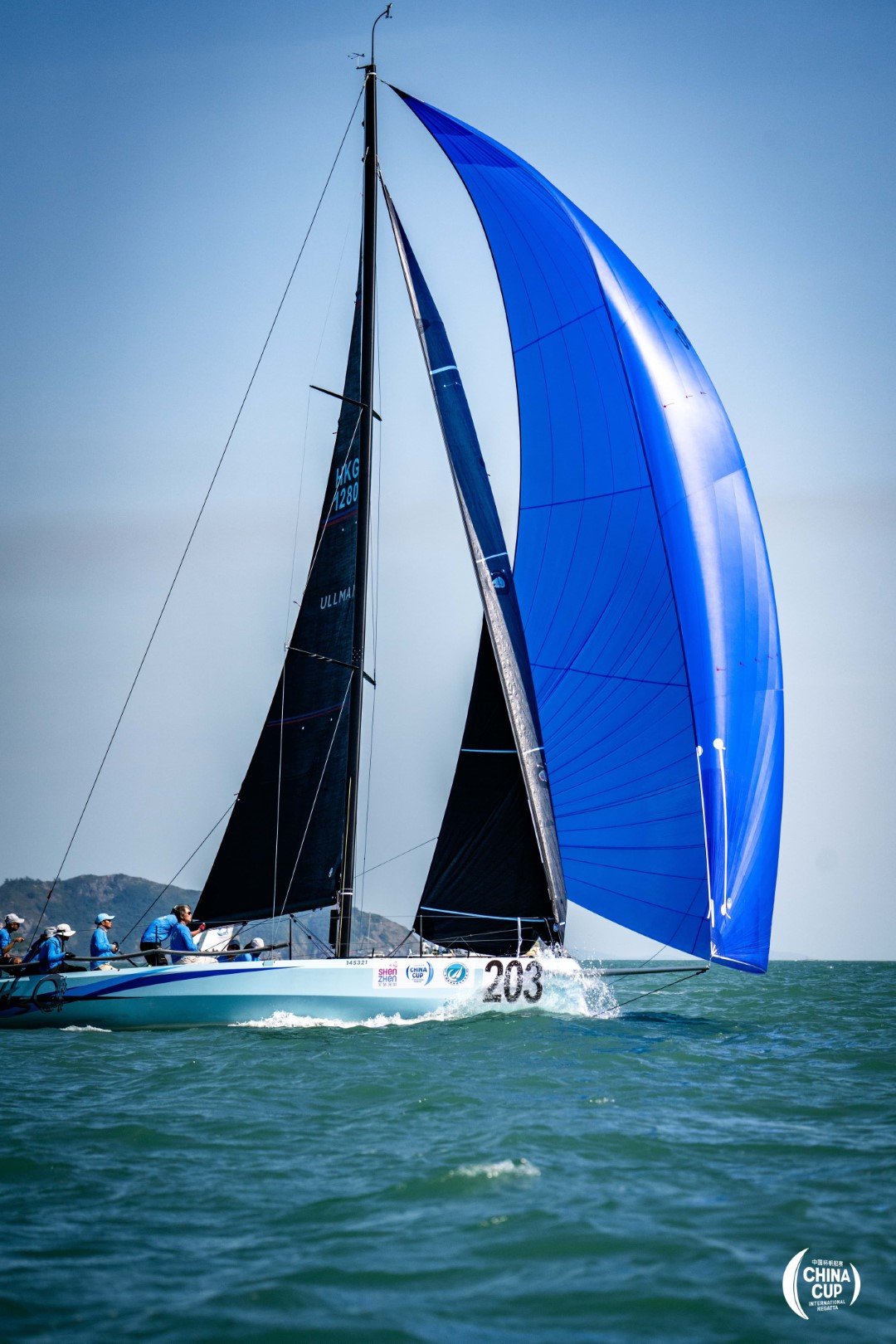

Keelboat and Multihull Racing Sails
Caring for these sail types requires more attention. Protect them from UV exposure, avoid repeated folding in the same areas, and store properly to prevent damage. Regular maintenance is essential for maintaining optimal performance.
Flake mainsails neatly onto the boom for storage.
When stored on the boom, a quality cover will protect the mainsail from UV exposure, ensuring the entire sail, including the clew and luff, is covered.
Keep the boom cover in place until you can hoist the mainsail.
Store headsails dry and neatly flaked in their bags.
Avoid repeatedly flaking sails on the same fold line to prevent wear.
Store spinnakers dry, loosely packed in their bag or "turtle."
Release batten tension for storage if your sails have adjustable battens.
Avoid storing sails on deck or the dock unless they are under UV-protective covers.
Do not crush sails stored below by walking on them.
On windy days, hoist sails gradually to avoid full wind strength.
Tension leech lines sufficiently to prevent the sail's edge from fluttering.
Avoid over-tensioning the luff; adjust headsail luff tension in the pre-start rather than keeping it fully tensioned.
Use sails within their designed wind range.
Practice mainsail reefing regularly so it can be done quickly to prevent flogging.
For slab-reefing mainsails, ensure the reefed portion is securely fastened, and avoid testing the sail with unsecured reefing, which can cause damage.
If you have any questions, contact your local Ullman Sails loft.
The care requirements for your sail may vary based on the material, so be sure to follow the appropriate steps for optimal maintenance.
COMMON QUESTIONS
Sail Care FAQ
Quick answers about inspections, cleaning and storage. For advice specific to your sails, contact your local Ullman Sails loft.
Regularly, especially after heavy use or exposure to harsh conditions.
It’s best to consult a professional before using any cleaning agents.
Store sails dry, rolled, and away from direct sunlight to prevent UV damage and mildew growth.
